

Different Gold Karats Explained: 9k,10k, 14k, 18k, 22k, & 24k Compared
Gold jewelry comes in several karat levels, and the number attached to each one tells you how much gold is present in the piece. You may see jewelry marked 9K, 10K, 14K, 18K, 22K, or 24K, but those numbers are not just labels. They help explain the difference in purity, color, and how the metal may perform in everyday wear.
The higher the karat, the greater the percentage of gold in the piece. Lower-karat gold contains a larger amount of other metals mixed with the gold. Those added metals can affect the color, hardness, and other physical properties of the jewelry, which is why two gold pieces can look and feel different even when both are real gold.
Understanding these differences can make shopping for jewelry much less confusing. Instead of assuming that a higher karat is always the better choice, it helps to look at how the jewelry will be worn, how often you plan to wear it, and what qualities matter most to you.
This guide compares 9K, 10K, 14K, 18K, 22K, and 24K gold, explains how the karat system works, and looks at how gold content changes from one level to the next. It also covers gold alloys, everyday wear, and the key differences to consider before choosing the right karat for your jewelry.
What Does Karat Gold Mean?
Karat is the system used to describe how much pure gold is present in a piece of gold jewelry. The scale runs up to 24 karats, with 24K representing the highest gold content.
When gold is labeled 14K, for example, it means 14 parts out of 24 are gold. The remaining portion is made up of other metals that are combined with the gold to create an alloy. The same idea applies to other karat levels, including 10K, 18K, and 22K.
This is why karat is important when comparing gold jewelry. It gives you a quick way to understand the relationship between gold purity and the amount of other metal in the piece.
A higher karat means a higher percentage of gold, while a lower karat contains a greater proportion of alloying metals. That difference can affect color, hardness, and other physical properties of the jewelry.
It is also important not to confuse karat with carat. Karat, usually written as K or kt, refers to gold purity. Carat, written as ct, is a unit used to measure the weight of gemstones. Understanding what karat gold means is the first step toward comparing different options more clearly.
How Is Gold Karat Measured?
Gold karat is measured on a 24-part scale. The karat number shows how much of the metal is gold by weight compared with the other metals in the alloy.
For example, 18K gold contains 18 parts gold out of 24, which equals 75% gold. A 14K piece contains 14 parts gold out of 24, while a 10K piece contains 10 parts gold out of 24.
Here is how the common karat levels compare:
- 24K gold: nearly pure gold
- 22K gold: about 91.7% gold
- 18K gold: 75% gold
- 14K gold: about 58.3% gold
- 10K gold: about 41.7% gold
- 9K gold: 37.5% gold
In lower-karat jewelry, the remaining percentage comes from other metals added to the gold to form an alloy. Those metals can influence characteristics such as color and hardness.
The karat system gives shoppers a consistent way to compare gold content across different pieces. A higher karat means a greater percentage of gold, while a lower karat means a larger proportion of alloying metals.
Different Types of Gold
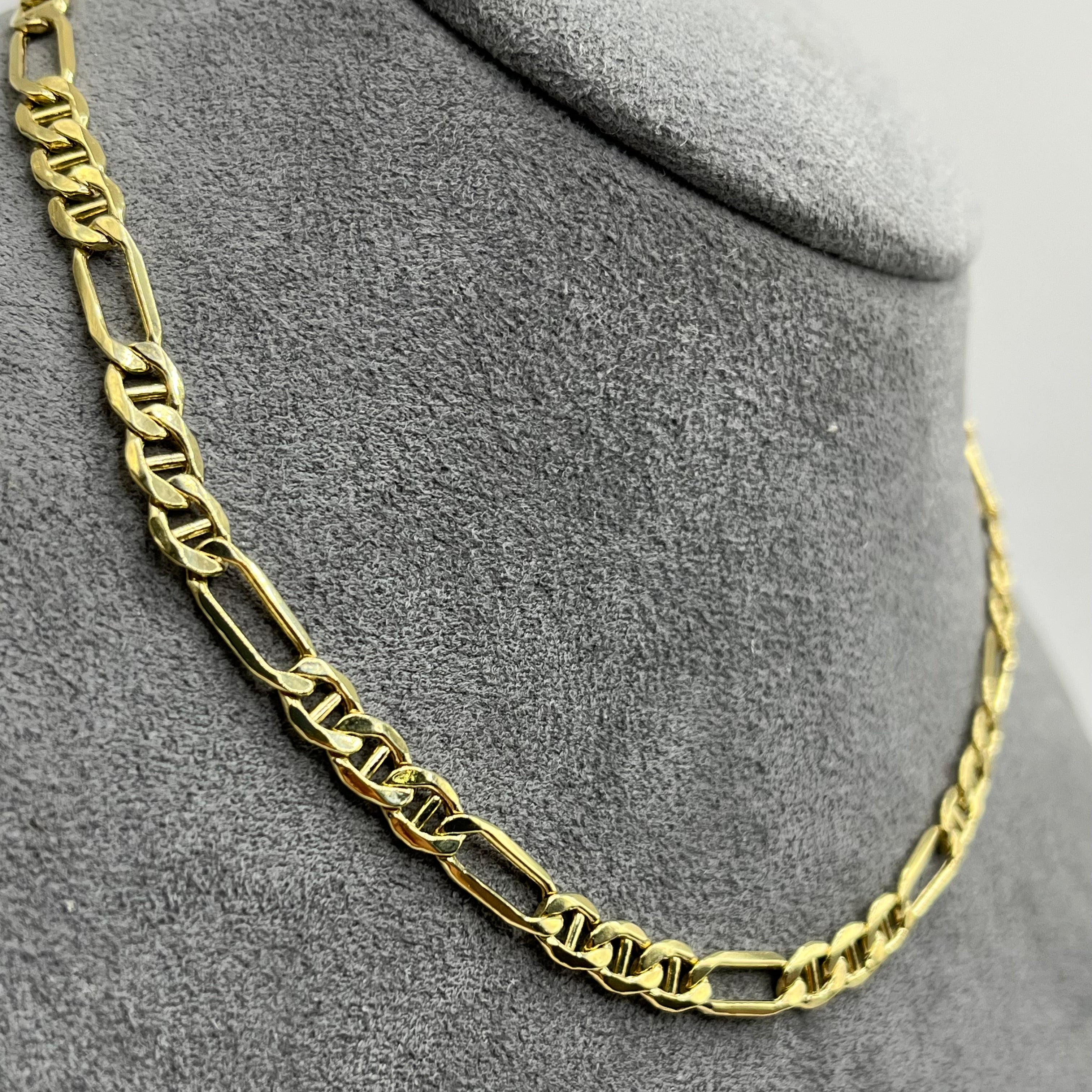
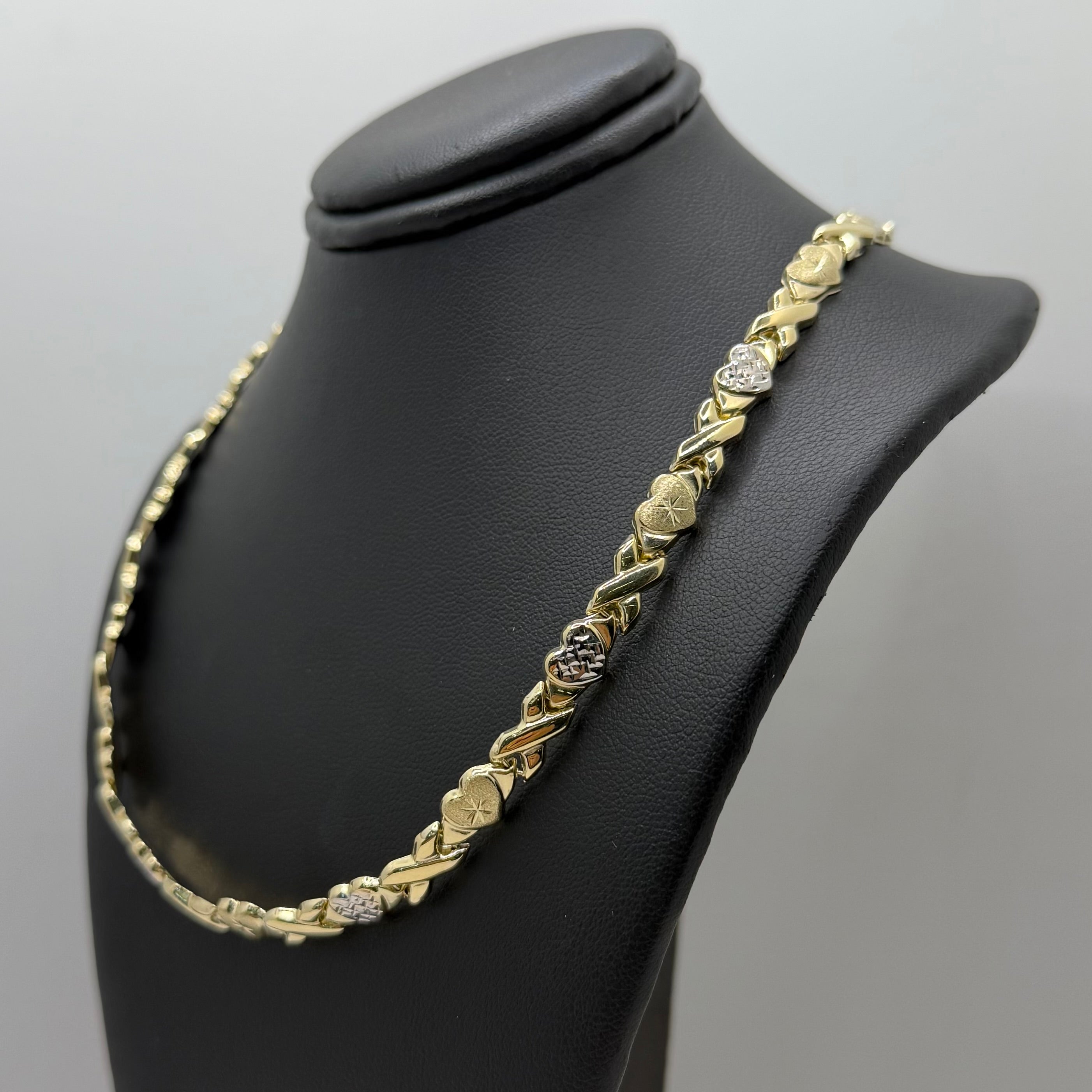
Gold jewelry can also differ in color, not just karat. The color depends on the metals combined with gold to create the alloy. This is why two pieces can have the same karat number but still look noticeably different.
Some of the most common types of gold used in jewelry include:
Yellow Gold
Yellow gold jewelry is made by combining gold with other metals while maintaining its characteristic warm yellow color. The exact alloy can vary depending on the karat and formulation.
White Gold
White gold has a lighter, silvery appearance. It is created by combining gold with metals that give the alloy a whiter tone. It may be used on its own or as an accent alongside yellow gold in two-tone jewelry designs.
Rose Gold
Rose gold has a warmer pink or reddish tone. It can also be combined with yellow and white gold in multi-tone jewelry, creating contrast between different sections of the design.
Two-Tone and Multi-Tone Gold
Some jewelry combines more than one gold color in the same piece. Two-tone designs commonly pair yellow and white gold, while other pieces may incorporate yellow, white, and rose gold together. This creates visual contrast without changing the basic way karat describes the amount of gold in the metal.
These different types of gold should not be confused with different gold karats. Terms such as yellow, white, and rose gold describe the appearance and alloy composition, while karat describes the proportion of gold in the metal. A piece can therefore be 10K or 14K while also being yellow gold, white gold, rose gold, or a combination of gold colors.
Understanding the Gold Karat Scale: Purity, Percentage, and Karat
The gold karat scale is based on 24 parts. The higher the karat number, the greater the proportion of gold in the metal. The rest is made up of other metals used to create the alloy.
Here is a simple gold karat chart showing the standard gold content for each level covered in this guide:
Gold Karat and Gold Content
|
Gold Karat |
Gold Content |
|
24K |
Nearly pure gold |
|
22K |
About 91.7% gold |
|
18K |
75% gold |
|
14K |
About 58.3% gold |
|
10K |
About 41.7% gold |
|
9K |
37.5% gold |
For example, 14 karat gold contains 14 parts gold out of 24, which equals about 58.3% gold. The remaining portion is made up of other metals in the alloy.
This scale makes it easier to compare different gold karats using the same standard. A 22K piece contains more gold than an 18K piece, while 18K contains more gold than 14K or 10K.
Karat does not describe the color of the jewelry. Yellow gold, white gold, and rose gold can each be made in different karat levels. The karat number refers specifically to the proportion of gold in the metal, while the alloy composition can influence properties such as color and hardness.

Why Gold Is Mixed With Other Metals
Pure gold is relatively soft, so it can be more susceptible to scratching, bending, or deformation than many gold alloys used in jewelry. For that reason, gold is often combined with other metals to create an alloy that is better suited to regular wear.
The metals added to gold can change several characteristics of the finished piece, including its hardness, strength, and color. The exact mixture depends on the karat level and the type of gold being produced.
Lower-karat gold contains a larger proportion of alloying metals, while higher-karat gold contains a greater percentage of gold. For example, 14K gold contains about 58.3% gold, while 18K gold contains 75% gold.
Gold alloys also make it possible to create different gold colors. Yellow gold is designed to maintain a warm gold tone, while white gold uses alloying metals that give it a lighter appearance. Rose gold gets its pink or reddish tone largely from copper in the alloy.
This is why the metals mixed with gold matter. They do more than reduce the percentage of pure gold. They help determine how the jewelry looks and how the metal behaves when worn.
How Gold Alloys Affect Color and Durability
Gold alloys influence both the appearance and physical properties of jewelry. Because pure gold is relatively soft, it is combined with other metals to create different karat levels and make the finished metal more suitable for jewelry.
The exact properties depend on both the amount of gold and the metals used in the alloy. In general, lower-karat gold contains a higher proportion of alloying metals, while higher-karat gold contains more gold.
How Alloys Affect Gold Color
The metals mixed with gold can change its final color. Yellow gold keeps the familiar warm gold appearance, while white gold has a lighter, more silvery look. Rose gold has a pink or reddish tone.
This means two pieces with the same gold karat can still look different if their alloy compositions are different. Karat describes gold content, not color.
How Alloys Affect Durability
Alloying gold can increase its hardness. Higher-karat gold contains a greater proportion of gold and is generally softer, while lower-karat gold often contains more alloying metals, which can make the metal harder. Actual resistance to scratching or deformation also depends on the specific alloy and the construction of the piece.
However, karat alone does not determine how durable a piece of jewelry will be. The exact alloy, thickness, construction, design, and how the piece is worn can also affect its performance over time.
Understanding gold alloys helps explain why gold jewelry can vary in color and durability even when the pieces share a similar appearance or purpose.
What Are the Different Karats of Gold?
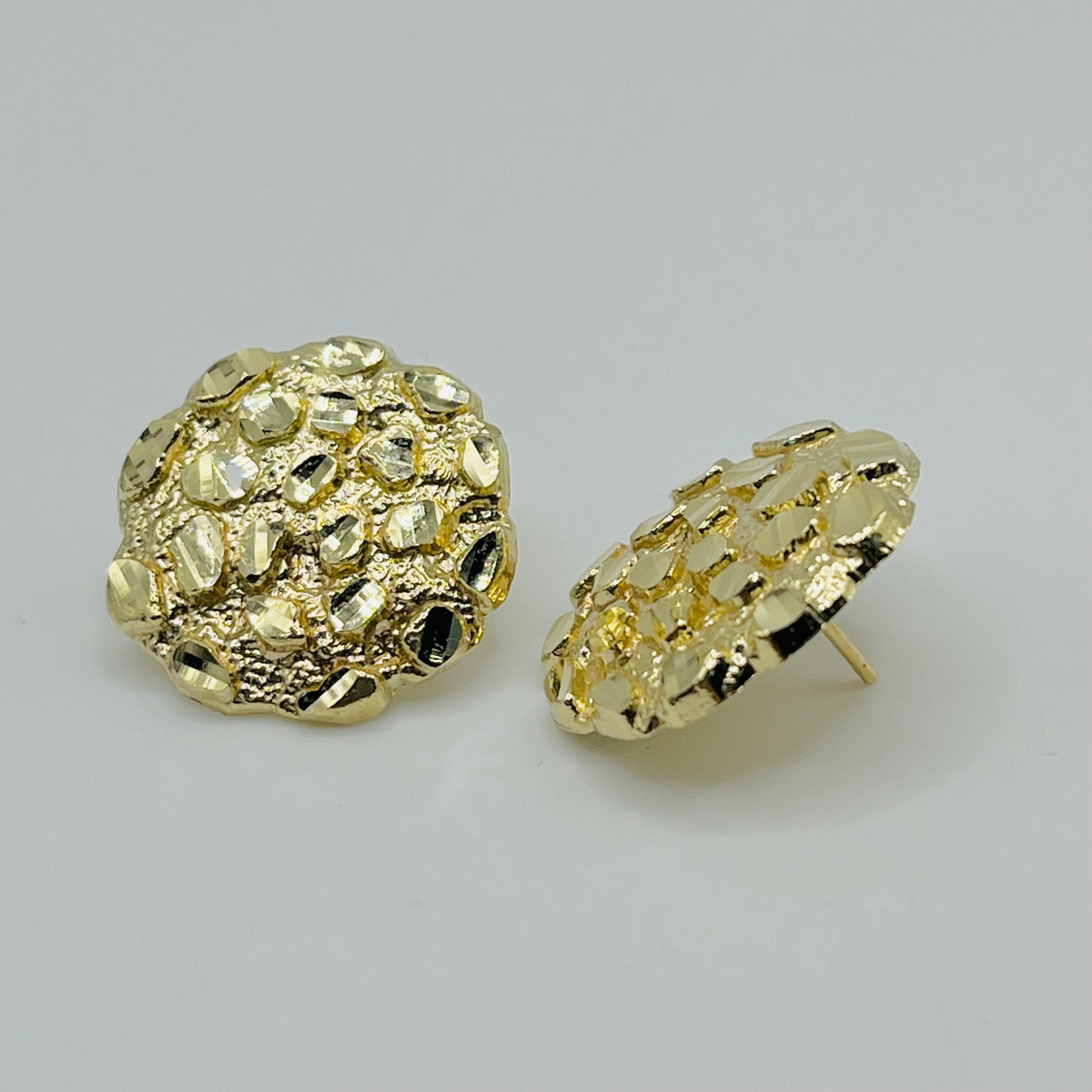
Gold jewelry is available in several karat levels, and each one contains a different proportion of gold. The main difference between them is gold content, which can also influence color, hardness, and other characteristics of the metal.
The different karats of gold are not simply better or worse than one another. Each level represents a different balance of gold content and alloying metals, which is why the right choice depends on the type of jewelry and how it will be worn.
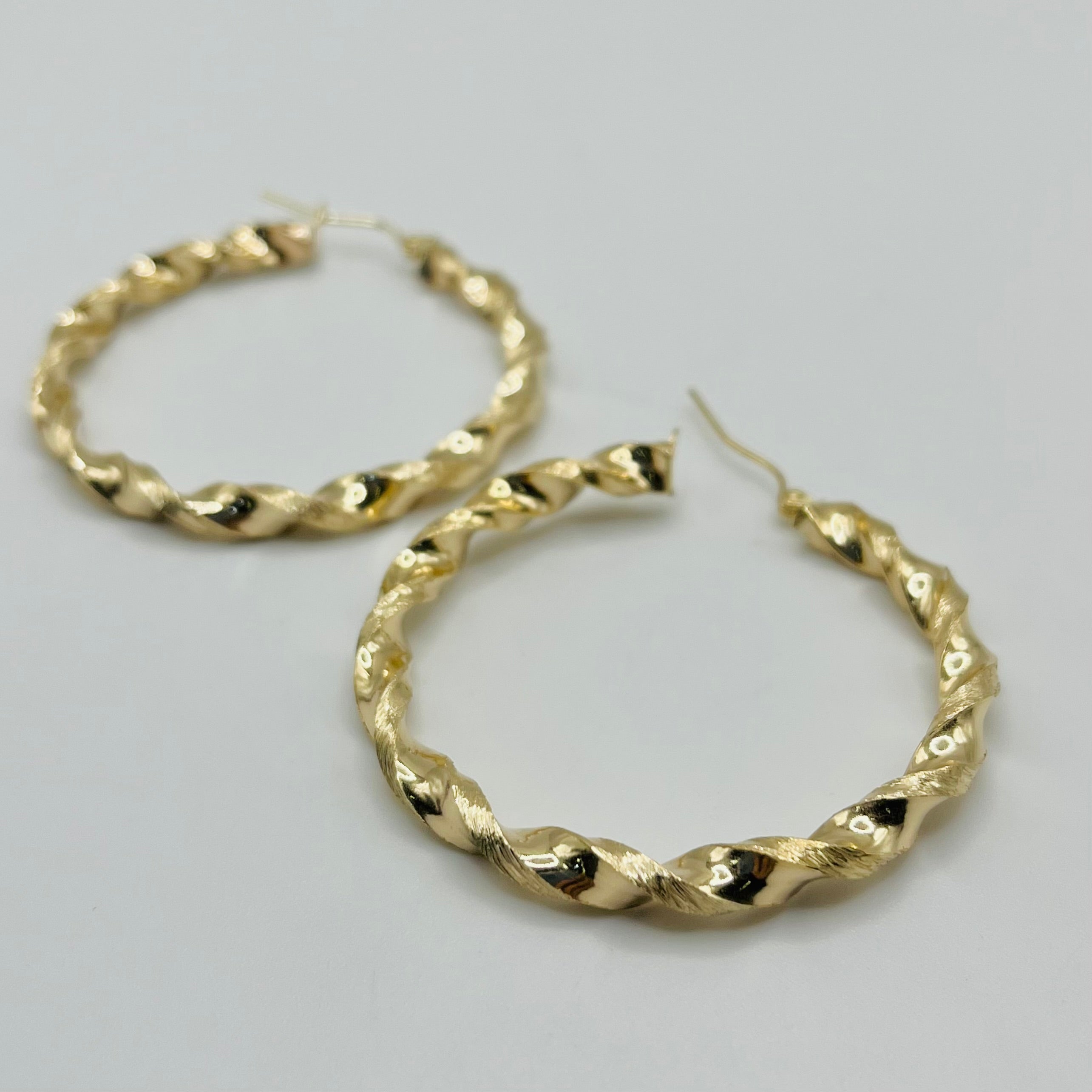

The karat levels covered in this guide are:
9K Gold
9K gold contains 37.5% gold. The remaining 62.5% is made up of other metals in the alloy. Because it contains a lower percentage of gold than the other karats in this guide, it also contains a higher proportion of alloying metals.
10K Gold
10K gold contains about 41.7% gold and about 58.3% alloying metals. Compared with 14K, 18K, 22K, or 24K gold, it contains a greater proportion of alloying metals.
14K Gold
14K gold contains about 58.3% gold, with the rest made up of other metals. It contains more gold than 9K or 10K, while still containing a substantial proportion of alloying metals.
18K Gold
18K gold contains 75% gold. Compared with 14K or 10K gold, it has a higher gold content and a lower proportion of alloying metals.
22K Gold
22K gold contains about 91.7% gold. Because 22K contains a high proportion of gold, it is generally softer than many lower-karat gold alloys.
24K Gold
24K gold is the highest level on the gold karat scale and is considered nearly pure gold. It contains very little other metal, which gives it the highest gold content of the karats discussed here.


What Is the Highest Karat Gold?
The highest karat gold is 24K. It sits at the top of the 24-part gold karat scale and represents the highest level of gold purity.
Because 24K gold contains very little alloying metal, it typically has a rich yellow color and is softer than lower-karat gold alloys. Gold is often mixed with metals such as copper, silver, or zinc to increase its hardness and create alloys suited to different types of jewelry.
That means a higher karat does not automatically make a piece better for every purpose. While 24K has the highest gold content, lower-karat options such as 18K, 14K, or 10K contain more alloying metals, which can increase hardness. Whether that makes a particular piece more practical depends on its design, construction, and how it will be worn.
When comparing different gold karats, 24K sits at the top of the scale for purity, but the best choice still depends on how the jewelry will be worn and what qualities matter most to the wearer.
What Karat Gold Is Best for Everyday Wear?
There is no single best karat gold for everyday wear. The right choice depends on the person, the type of jewelry, and what their daily routine looks like.
Someone who works with their hands or wears jewelry during more active parts of the day may prioritize durability differently than someone whose jewelry sees less physical contact. The type of piece matters too. Rings and bracelets often experience more contact than earrings or necklaces.
Lower-karat gold generally contains more alloying metals, which can make it harder. Higher-karat gold contains more gold and is usually softer. But that does not mean one is automatically better for daily use.
With the right care, real gold jewelry in different karat levels can be worn regularly. The better choice comes down to your routine, your preferences, and the specific piece.
When choosing, consider:
- How often you plan to wear it
- How active your daily routine is
- The type and construction of the jewelry
- Whether you prefer higher gold content or greater hardness
- How you plan to care for and store the piece
Does a Higher Gold Karat Mean Better Gold?
Not always. A higher gold karat simply means the jewelry contains a greater percentage of gold.
In yellow gold, a higher gold content can produce a richer or more saturated yellow color. It is also generally softer. Lower-karat gold generally contains more alloying metals, which can make the metal harder. How resistant a piece is to scratching or deformation also depends on its specific alloy, thickness, design, and construction.
Neither option is automatically better. The right choice depends on what you value most in the piece.
Consider factors such as:
- Gold content
- Color
- Durability
- Type of jewelry
- How often you plan to wear it
- Budget
For some people, a higher gold content matters most. For others, durability or price may be more important. The best karat gold is the one that fits how you plan to wear and care for the jewelry.
Find the Gold Karat That Works for Your Jewelry
Choosing the right gold karat comes down to how you want the piece to look, how often you plan to wear it, and what matters most to you. Candy Jewelers offers real gold jewelry in 10K and 14K, giving you options with different balances of gold content, hardness, and appearance.
If higher gold content matters more to you, 14K may appeal to you. If greater hardness is a priority, 10K may be worth considering. The right choice still depends on the piece, your routine, and how you plan to wear it.
Use what you have learned about gold purity, alloys, color, and durability to compare your options with more confidence. Explore Candy Jewelers’ 10K and 14K gold jewelry and find the karat that fits the way you wear your gold.

Find Your Perfect Gold
Common Questions About Gold Karats
Latest Blogs From Candy Jewelers
Our jewelry blog keeps it real, just like our gold. Everything you need to know about gold jewelry is just a click away.
-

Types of Gold Chains: Complete Chain Style Guide
Types of Gold Chains: A Complete Guide to Every Chain Style A gold chain can change the whole look before you add a pendant, watch or another piece of jewelry....
Types of Gold Chains: Complete Chain Style Guide
Types of Gold Chains: A Complete Guide to Every Chain Style A gold chain can change the whole look before you add a pendant, watch or another piece of jewelry....


